
Package Design
Mar 12, 2026
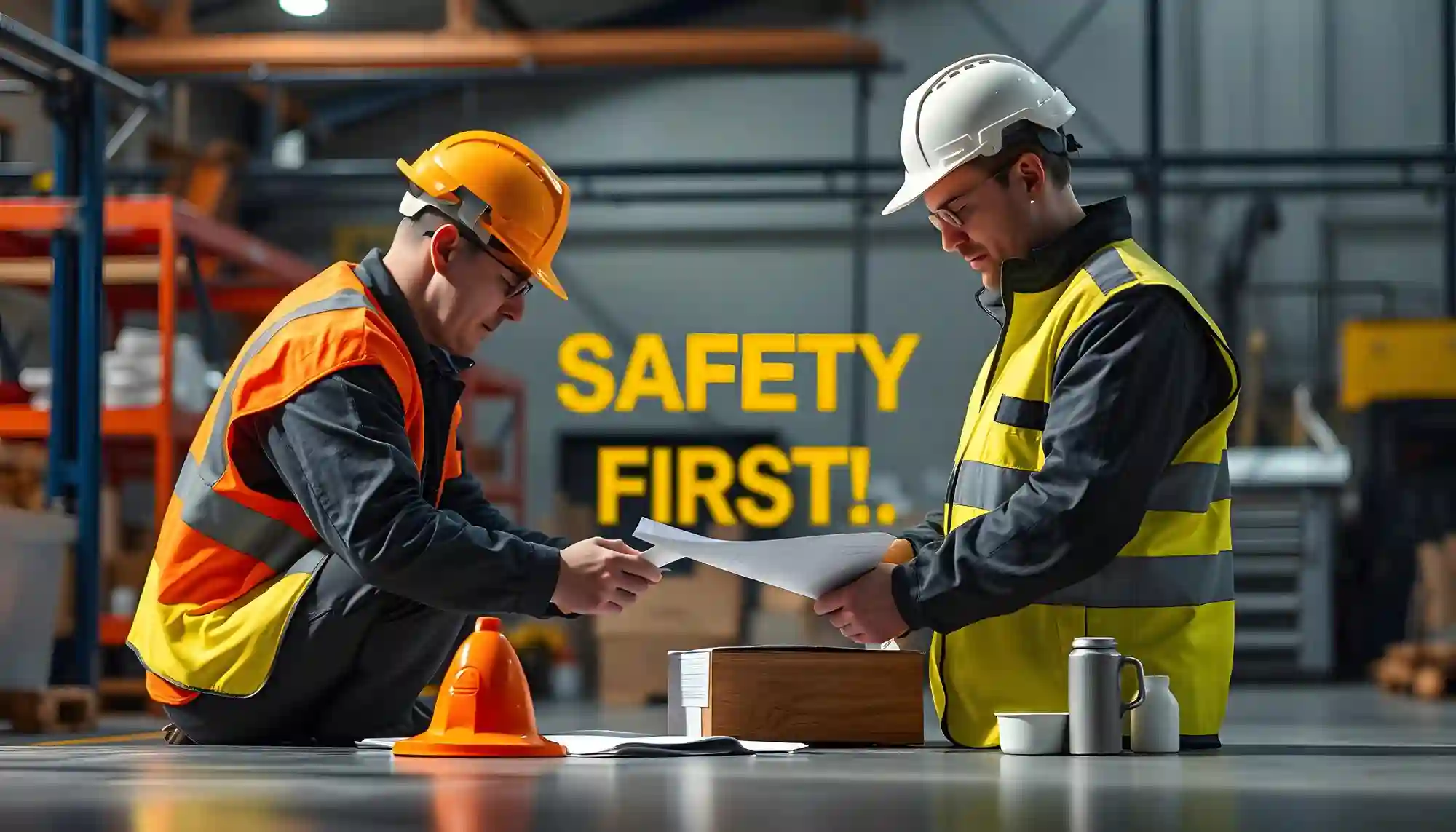
Packaging is not merely a matter of appearance in the contemporary competitive business world but a vital aspect in product protection, safety, and customer experience. The strength of packaging material and testing method are some of the main factors that make or break a product that is to be delivered to the consumers in its final state, that is, whether it will be delivered in its original state or be damaged during the process of delivery.
This manual supports the way companies can judge the packaging materials, guarantee the durability, and avoid losses by using effective methods of testing.
The importance of strength in packaging materials
The packaging acts as a shield to external forces like pressure, moisture, temperature, and handling. Damage in the product, high returns, and loss of brand credibility may be experienced due to weak packaging.
Strong packaging ensures:
- Handling and transportation of products.
- Reduced risk of damage and returns
- Better customer satisfaction
- Logistics cost reduction
Knowledge of packaging material strength and testing methods can assist companies to select appropriate materials and prevent expensive errors.
Important packaging strength influencing factors
It is necessary to know what affects the strength of the packaging before getting into testing:
- Material Type
Various substances such as corrugated cardboard, plastic, glass, or metal possess different levels of durability. The appropriate material to be selected is determined by the weight of the product and its fragility. - Thickness and Density
Greater and heavier materials are more likely to resist pressure and impact - Environmental Conditions
Packaging can be undermined with time by humidity, temperature, and sunlight. - Handling and Transportation
Hard handling, loading, and shipment over a long distance require more robust packaging.
Widely used test methods on packaging materials
Businesses use different packaging material strengths and testing methods in order to make sure that it can withstand. These tests are simulations of real-world conditions to test performance.
Compression Testing
The test is used to determine the load that a package is able to sustain before collapsing. It is essential in products that are piled in storage or transportation. It also helps calculate load-bearing capacity, stops being crushed during transportation and is critical to bulk shipping.
This is also known as stacking strength testing, whereby packages are not damaged once they are placed atop each other.
Drop Testing
The drop testing is used to test the packaging with various drop heights. It simulates accidental drops and determines weak areas in packaging. Guarantees safety of the products within. It is an important aspect of transit damage prevention packaging strategies.
Vibration Testing
Packages are in continuous vibrations during transportation. Such conditions are simulated in this test. Determines the wear and tear with time. Guarantees internal cushioning performance. Prevents product displacement.
Burst Strength Testing
This test can be used to determine the pressure necessary to break through packaging material. Measures the stiffness to external forces, fit in paperwork packaging and bears stress and is durable.
Edge Crush Test (ECT)
ECT, determines the stacking strength of corrugated boxes. Measures edgewise compressive strength, significant to carton shipping and helps manage loads more effectively.
Material Resistance Testing
The other critical technique is the packaging of material resistance testing that tests the reaction of materials to environmental conditions like moisture, heat, and chemicals.
- Prevents degradation
- Ensures long-term durability
- Improves shelf life of products
- Importance of Packaging Material Strength Testing
- Conducting packaging material strength testing helps businesses:
- Maintain product integrity.
- Reduce damage-related costs
- Enhance supply chain effectiveness.
- Enhance brand reputation
- Even visually appealing packaging might not work in real life unless properly tested.
- Shipping Protection packaging design
Shipping protection needs to be well packaged, with a balance between cost, sustainability, and strength.
Best Practices:
- Use Multi-Layer Protection
Add outer boxes with inner cushions such as foam or bubble wrap. - Select the Box Size.
Larger boxes incur more movement, and tighter packaging lessens shock absorption - Reinforce Weak Points
The most susceptible places are corners and edges; additional strengthening enhances longevity. - Consider Weight Distribution
Also distribute weight so as not to concentrate pressure. - Use Quality Sealing Methods
High-strength adhesives and tapes deter accidental openings.
Testing to prevent transit damage
Damage to products during shipping is one of the greatest logistics challenges. Through packaging material strength and testing methods, businesses can greatly minimize these risks.
Benefits include:
- Lower return rates
- Reduced customer complaints
- Improved logistics efficiency
- Better brand trust
Transit damage prevention packaging strategies make sure that products are delivered safely, no matter the distance and conditions of handling.


Finding the middle ground between strength and sustainability
The contemporary customer is more likely to choose packaging that is friendly to the environment, and sustainability must not be at the expense of strength.
Tips for balance:
- Use material that can be recycled and is durable.
- Efficient use of materials without compromising structure.
- Test environmentally friendly solutions.
Sustainability + Packaging Material Strength + Testing Methods guarantee environmental responsibility and safety of the product.
Prospects of packaging testing
With these developments, packaging material strength and testing methods are more precise and effective. The packaging business is developing with new technologies:
- AI-based simulation testing
- Smart sensor-powered packaging.
- Automated testing systems
- Sustainable material innovations
Conclusion
IIn a world where customers have become more than ever demanding, the packaging needs to not only look good but also work. When businesses concentrate on packaging material strength and testing methods, they are able to guarantee product safety, minimize business losses, and add value to brands.
Starting with stacking strength testing and then material resistance testing for packaging, each approach is an important step towards creating strong packaging systems. A combination of packaging material strength testing into your process will guarantee durability, and some of the strategies such as transit damage prevention packaging and packaging to protect against shipping damage will protect your products during transit.
Brands N Codes is considered to be among the most suitable package design companies in India to create effective and efficient packaging designs. They also focus on design only and assist brands to create packaging that is appealing to look at, as well as designed to perform and survive in the real world.

Related Articles